

How to Find Dropshipping Suppliers for Your E-commerce Business?
Starting a dropshipping business is easier today than ever before. However, the success of your store depends heavily on one critical factor: your dropshipping suppliers.
Suppliers handle product storage, packaging, and shipping. Because of this, they directly affect your product quality, shipping speed, customer satisfaction, and overall profitability.
Many new entrepreneurs focus only on building their Shopify store or marketing products. But experienced e-commerce sellers know that choosing the right dropshipping supplier can make the difference between a thriving online business and one that struggles with slow shipping, refunds, and poor reviews.
In this ultimate guide to dropshipping suppliers, you will learn:
What a dropshipping supplier actually does
The different types of dropshipping suppliers
How to find reliable suppliers
How to verify suppliers before working with them
The best global supplier directories and marketplaces
The role of private dropshipping agents
The advantages of local suppliers
How shipping and logistics work in dropshipping
Throughout this guide, we will also link to more detailed resources on this website, such as guides on US dropshipping suppliers with fast shipping, UK dropshipping suppliers, and comparisons like European vs Chinese dropshipping suppliers.
By the end of this guide, you will have a clear understanding of how to choose the best suppliers for your ecommerce business.
What Is a Dropshipping Supplier?
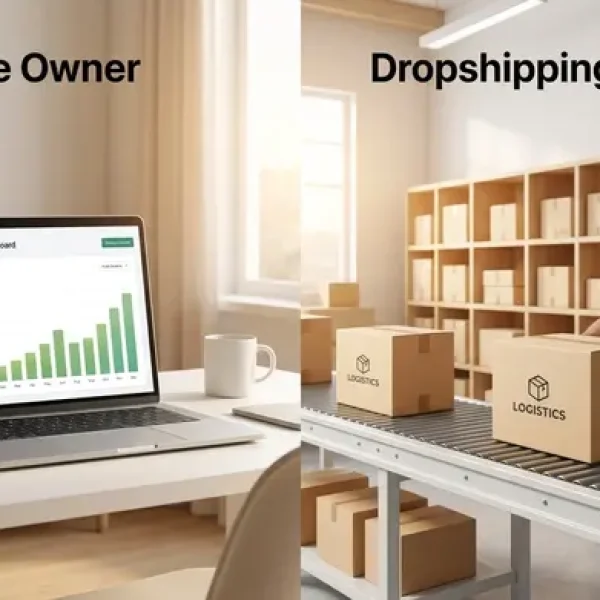
A dropshipping supplier is a company or manufacturer that stores products and ships them directly to customers on behalf of an online retailer.
Unlike traditional e-commerce businesses that buy inventory in bulk, dropshipping allows sellers to operate without managing physical stock.
The process works like this:
A customer places an order in your online store.
You forward the order to your supplier.
The supplier packages and ships the product.
The customer receives the item.
Because the supplier handles fulfillment, dropshipping businesses can focus primarily on:
marketing products
building a brand
customer service
Growing the store
This model has become extremely popular with entrepreneurs because it requires low startup costs and minimal operational complexity.
However, the reliability of your supplier is essential. If a supplier ships slowly, delivers poor-quality products, or frequently runs out of stock, your store’s reputation can suffer.
This is why choosing trustworthy partners is critical.
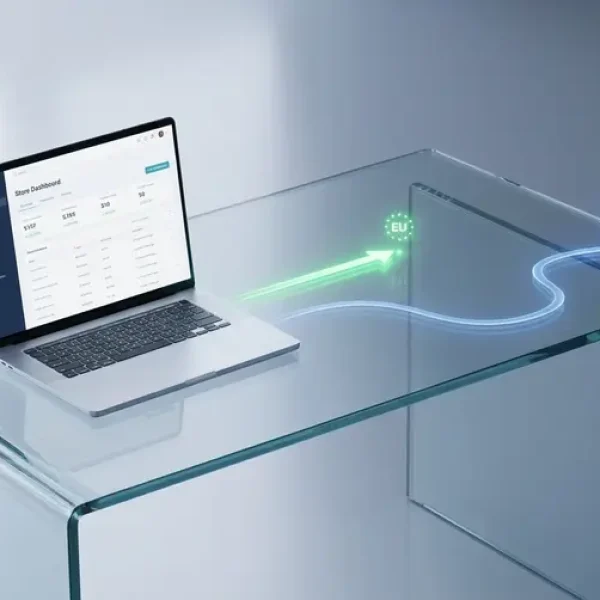
For example, many sellers prefer US dropshipping suppliers with fast shipping or EU warehouse dropshipping suppliers because they can deliver orders in just a few days instead of weeks.
Types of Dropshipping Suppliers
Not all dropshipping suppliers operate in the same way. Understanding the different types of suppliers can help you decide which option is best for your business.
Below are the most common supplier categories used by ecommerce sellers.
Manufacturers
Manufacturers produce the products themselves.
Working directly with manufacturers often provides the lowest prices because there are fewer intermediaries involved.
However, manufacturers usually require:
larger order volumes
established businesses
longer negotiation processes
Because of this, most beginners start with supplier platforms or distributors before working directly with manufacturers.
Wholesalers
Wholesalers purchase products in bulk from manufacturers and sell them to retailers.
Many wholesalers now support dropshipping, allowing store owners to sell products without buying inventory in advance.
Advantages of wholesalers:
access to branded products
reliable product sourcing
established supply chains
However, wholesale suppliers sometimes require minimum order quantities, which may not be ideal for beginners.
Dropshipping Platforms
Dropshipping platforms act as intermediaries between ecommerce stores and suppliers.
These platforms provide software integrations that automate product imports, order fulfillment, and inventory updates.
Examples include platforms that integrate with:
Shopify
WooCommerce
Wix
BigCommerce
These platforms simplify the entire process and are widely used by beginners.
In our dedicated guides, we also cover the best dropshipping suppliers for Shopify and platforms that integrate seamlessly with ecommerce stores.
Supplier Marketplaces
Supplier marketplaces connect retailers with thousands of suppliers from around the world.
Examples include B2B platforms where sellers can browse product catalogs and contact suppliers directly.
These marketplaces provide:
product variety
competitive pricing
global supplier access
However, quality and reliability can vary significantly between suppliers.
Because of this, it is important to understand how to verify dropshipping suppliers before working with them, which we will discuss later in this guide.
Private Dropshipping Agents
Private agents are specialized sourcing professionals who work directly with sellers.
Instead of browsing large marketplaces, dropshipping businesses can partner with a dedicated agent who manages product sourcing and fulfillment.
Private agents often provide:
faster shipping
custom packaging
better product quality control
branding options
Many scaling ecommerce brands switch to private agents after validating their products.
How to Find Reliable Dropshipping Suppliers
Finding reliable suppliers is one of the most important steps when starting a dropshipping business.
A poor supplier can lead to:
long shipping times
poor product quality
unhappy customers
refund requests
On the other hand, a reliable supplier can help your store grow quickly.
Below are the most common methods for finding suppliers.
Supplier Directories
Supplier directories list verified wholesalers and dropshipping companies.
These directories often charge membership fees but provide access to vetted suppliers.
Benefits include:
verified businesses
organized product catalogs
easier supplier comparison
Many directories specialize in certain regions, such as Europe or North America.
For example, some sellers prefer German dropshipping suppliers or Canadian dropshipping suppliers with local warehouses because they offer faster delivery within those regions.
Google Search
Search engines are one of the most underrated tools for finding suppliers.
Many legitimate wholesalers do not appear on large marketplaces but can be found through direct research.
Search queries such as:
dropshipping suppliers Europe
wholesale suppliers that dropship
local dropshipping suppliers
can reveal valuable sourcing opportunities.
When researching suppliers, it is important to analyze their website, contact information, and business reputation.
Ecommerce Platforms
Some ecommerce platforms maintain their own supplier ecosystems.
For example, many Shopify apps connect store owners with verified suppliers.
These integrations allow sellers to:
import products directly into their store
automate orders
track shipments
manage inventory
This approach simplifies dropshipping and is popular among beginners.
Industry Networking
Another powerful method for finding suppliers is networking within the ecommerce community.
Entrepreneurs often share recommendations in:
ecommerce forums
online communities
industry events
Networking can reveal suppliers that are not widely advertised online.
How to Verify Dropshipping Suppliers
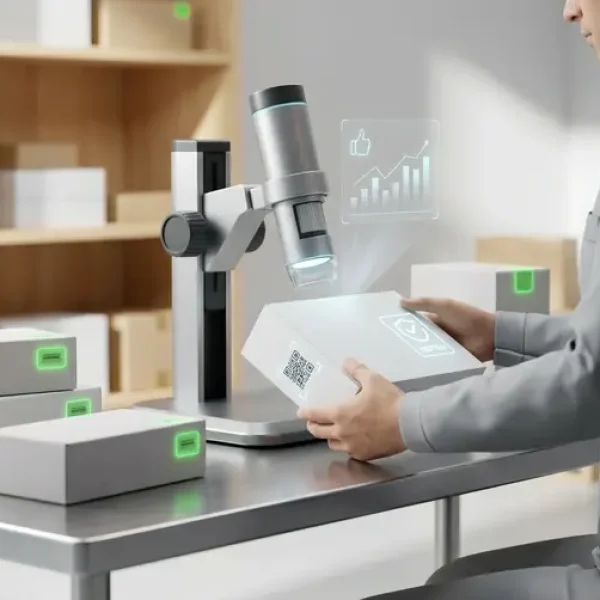
Before partnering with a supplier, it is essential to verify their reliability.
Unfortunately, some fake suppliers exist in the ecommerce industry.
A proper verification process can help you avoid scams and unreliable partners.
Check Business Credentials
Reliable suppliers should have clear business information, including:
company registration
business address
contact details
If a supplier provides limited or suspicious information, it may be a warning sign.
Request Product Samples
Ordering product samples is one of the best ways to evaluate a supplier.
This allows you to check:
product quality
packaging standards
shipping speed
Testing products before selling them ensures that customers receive a positive experience.
Evaluate Communication
Professional suppliers respond quickly and clearly to inquiries.
If a supplier takes days to respond or avoids answering questions, it may indicate poor service quality.
Good communication is essential for resolving issues such as stock shortages or shipping delays.
Read Reviews
Online reviews and community discussions can reveal important insights about suppliers.
Search for supplier names alongside keywords such as:
reviews
complaints
scam
This can help identify potential red flags before committing to a partnership.
Global Dropshipping Suppliers Directories
Supplier directories are useful tools for discovering new product sources.
These directories typically organize suppliers by:
product category
location
shipping capabilities
Some directories focus on global sourcing, while others specialize in regional suppliers.
For example, many sellers seeking faster delivery prefer dropshipping suppliers with European warehouses rather than relying exclusively on overseas suppliers.
Global directories allow retailers to explore suppliers across multiple countries, making it easier to compare shipping times and product availability.
When evaluating directories, consider factors such as:
supplier verification processes
membership costs
integration options
Choosing a reputable directory can simplify the process of finding trustworthy partners.
Supplier Marketplaces
Supplier marketplaces have become one of the most common sourcing methods for dropshipping businesses.
These platforms connect retailers with thousands of suppliers offering a wide variety of products.
Popular marketplace features include:
large product catalogs
supplier ratings
order management tools
global shipping options
However, marketplace sourcing requires careful supplier evaluation because quality can vary significantly.
In some cases, sellers compare different sourcing options to determine whether local dropshipping suppliers are better than large marketplaces.
Each sourcing method has advantages and disadvantages depending on the business model and target market.
Advanced Supplier Strategies, Logistics, and Scaling

In the first part of this guide, we covered the fundamentals of dropshipping suppliers, including the different supplier types, how to find them, and how to verify their legitimacy.
Now we will move into advanced strategies that successful ecommerce businesses use when scaling their stores.
This section will explore:
private dropshipping agents
local suppliers
global shipping logistics
common supplier mistakes
How to build long-term supplier relationships
These topics are critical if you want to build a sustainable dropshipping business rather than a short-term online store.
Private Dropshipping Agents
As dropshipping businesses grow, many sellers transition from marketplaces to private dropshipping agents.
Private agents act as intermediaries who manage product sourcing, quality control, and order fulfillment.
Instead of relying on large platforms, sellers work with a dedicated contact who helps streamline operations.
Private agents typically offer several advantages.
Faster Shipping
Private agents often have access to priority shipping channels and warehouses, allowing them to deliver products significantly faster than traditional suppliers.
Many agents provide delivery times of 5–10 days globally, compared with the 15–30 days sometimes associated with overseas suppliers.
Product Quality Control
Agents often inspect products before shipping them to customers.
This additional quality control can reduce:
refund requests
product defects
customer complaints
Custom Branding
Private agents can help businesses develop stronger brands through services such as:
custom packaging
private labeling
branded inserts
Branding helps ecommerce businesses stand out in competitive markets.
Many sellers begin exploring this option after reading comparisons such as AliExpress vs private dropshipping suppliers, which analyze the differences between marketplace sourcing and dedicated fulfillment partners.
Local Dropshipping Suppliers
Local suppliers are companies that operate warehouses within the same region as your target customers.
For example:
European stores often use EU warehouse dropshipping suppliers
North American stores prefer US dropshipping suppliers with fast shipping
UK ecommerce businesses may choose UK-based dropshipping suppliers
Local suppliers provide several advantages.
Faster Delivery
Shipping from local warehouses typically takes 2–5 days instead of multiple weeks.
Fast shipping can significantly improve customer satisfaction.
Easier Returns
Handling returns is often easier when suppliers operate within the same region.
Local warehouses allow customers to return products without international shipping complications.
Higher Customer Trust
Customers tend to trust stores that ship from local locations.
Displaying faster shipping times on product pages can increase conversion rates.
Because of these benefits, many ecommerce entrepreneurs research whether local dropshipping suppliers are better than AliExpress before selecting a sourcing strategy.
Shipping and Logistics in Dropshipping

Shipping is one of the most important factors affecting the success of a dropshipping business.
Customers expect fast delivery and reliable tracking.
If shipping times are too long, many customers will abandon their purchase or request refunds.
Understanding how dropshipping logistics work can help store owners provide a better customer experience.
International Shipping
Many dropshipping suppliers operate internationally.
International shipping typically involves several steps:
Order processing by the supplier
Package preparation
Shipment through international carriers
Customs processing
Final delivery to the customer
This process can take 10–25 days depending on the supplier and shipping method.
Local Warehouse Shipping
Suppliers with regional warehouses can deliver orders much faster.
For example:
European warehouses can deliver across the EU within days
US warehouses can ship nationwide quickly
UK warehouses provide fast domestic delivery
This is why many entrepreneurs search for dropshipping suppliers with warehouses in Europe or similar regional fulfillment options.
Shipping Methods
Dropshipping suppliers use several shipping methods.
Common options include:
Standard Shipping
This is the most affordable option, but it can take longer.
Express Shipping
Express services deliver products faster but increase shipping costs.
Fulfillment Networks
Some suppliers operate fulfillment centers that optimize delivery speed across multiple regions.
Understanding these options helps store owners balance shipping speed and profitability.
Common Mistakes When Choosing Dropshipping Suppliers
Choosing the wrong supplier can lead to serious business problems.
Below are some of the most common mistakes beginners make.
Choosing Suppliers Only Based on Price
Low prices may seem attractive, but extremely cheap products often come with:
poor quality
unreliable shipping
poor customer support
Instead of focusing solely on price, evaluate suppliers based on reliability and service quality.
Ignoring Product Samples
Some sellers start selling products without ordering samples.
This can be risky because product quality may not meet expectations.
Ordering samples allows you to evaluate:
product materials
packaging
delivery speed
Not Checking Supplier Reviews
Before working with a supplier, it is essential to research their reputation.
Look for reviews, community discussions, and case studies to determine whether the supplier is trustworthy.
Working With Too Many Dropshipping Suppliers
Managing multiple suppliers can become complicated.
Inventory tracking, shipping updates, and communication may become difficult.
Many successful stores begin with a small number of reliable suppliers before expanding.
Building Long-Term Supplier Relationships
Successful ecommerce businesses treat suppliers as long-term partners rather than temporary vendors.
Strong supplier relationships can provide several advantages.
Better Pricing
As your order volume increases, suppliers may offer better pricing.
Lower costs can significantly increase profit margins.
Priority Fulfillment
Trusted sellers may receive faster order processing and shipping priority.
Custom Product Opportunities
Some suppliers are willing to create exclusive products or packaging for trusted partners.
This can help businesses develop unique brands that stand out from competitors.
How to Choose the Best Dropshipping Suppliers
Selecting the right supplier depends on several factors.
Below is a checklist that can help guide your decision.
Supplier Evaluation Checklist
Product quality meets expectations
Shipping times are acceptable for your market
Supplier communication is professional and responsive
Reviews and reputation are positive
Pricing allows profitable margins
Integration with your ecommerce platform is available
Using this checklist can reduce the risk of working with unreliable suppliers.
Future Trends in Dropshipping Suppliers
The ecommerce industry continues to evolve rapidly.
Several trends are shaping the future of dropshipping.
Faster Global Fulfillment
More suppliers are opening regional warehouses to reduce shipping times.
This trend allows ecommerce stores to provide faster delivery worldwide.
Automation and Integrations
Advanced software integrations are simplifying supplier management.
Many platforms now automate:
order forwarding
inventory updates
shipping tracking
Automation reduces operational workload for store owners.
Brand-Focused Dropshipping
Instead of simply reselling products, many sellers are focusing on building branded ecommerce stores.
This includes:
custom packaging
branded marketing
private-label products
Brand-focused dropshipping helps businesses compete more effectively.
Comparison Table
| Supplier Type | Best For | Shipping Speed |
|---|---|---|
| Marketplace suppliers | beginners | medium |
| private agents | scaling stores | fast |
| local suppliers | fast delivery | very fast |
| wholesalers | bulk sourcing | medium |
Quick Supplier Checklist
Before choosing a supplier, ask:
✔ Is shipping time acceptable?
✔ Are product samples available?
✔ Is the supplier verified?
✔ Are reviews positive?
✔ Do they integrate with your store platform?
Conclusion
Dropshipping suppliers play a crucial role in the success of any ecommerce business.
Choosing reliable suppliers can help ensure fast shipping, high product quality, and satisfied customers.
In this guide, we explored:
what dropshipping suppliers are
the different types of suppliers
how to find reliable suppliers
how to verify suppliers
global supplier directories
supplier marketplaces
private dropshipping agents
local suppliers
shipping logistics
For entrepreneurs starting their e-commerce journey, investing time in researching and selecting the right suppliers is one of the most important steps.
Key takeaways:
- Dropshipping suppliers store and ship products for e-commerce stores.
Choosing reliable suppliers improves delivery speed and customer satisfaction.
Local suppliers often provide faster shipping than overseas suppliers.
Private agents can help scaling businesses improve fulfillment and branding.
FAQ: Dropshipping Suppliers
What is a dropshipping supplier?
A dropshipping supplier is a company that stores products and ships them directly to customers on behalf of an online retailer.
How do I find reliable dropshipping suppliers?
Reliable suppliers can be found through directories, marketplaces, private agents, and local distributors.
Are local dropshipping suppliers better?
Local suppliers often provide faster shipping and easier returns compared to overseas suppliers.
Can beginners work with dropshipping suppliers?
Yes. Many suppliers allow sellers to start without buying inventory.
Affiliate Disclaimer:
This post contains affiliate links. If you purchase through these links, we may earn a small commission — at no extra cost to you. This helps support our blog and allows us to keep creating helpful content. Thank you for being so supportive!
