Are you dreaming of launching an online children’s boutique that sells trendy kids’ clothing, baby accessories, toys, and unique apparel? Learning how to start a children’s boutique online can open the door to a rewarding and profitable business when done correctly.
With proper planning, reliable suppliers, effective marketing strategies, and scalable systems in place, you can build a boutique brand that stands out and grows consistently in today’s competitive e-commerce market.
In this comprehensive guide, you’ll learn everything from choosing your niche to finding reliable suppliers(including how to use resources such as dropshippingsuppliershub.com), creating your store, marketing your products, and scaling your business in 2026.
Why Start a Children’s Boutique Online?
Running a children’s boutique online combines:
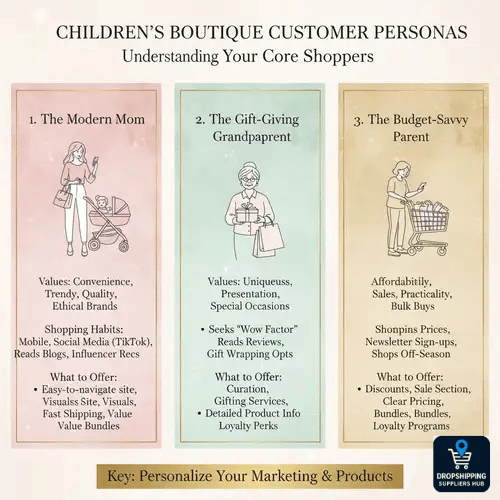
A passionate audience (parents and gift buyers)
Evergreen demand (kids keep growing!)
Huge opportunities for social media marketing
A mix of fashion, gifting, and personalization
Unlike general clothing stores, children’s boutiques appeal to specific emotions — precious memories, celebrations, and unique style — which makes them very marketable on platforms like TikTok, Pinterest, and Instagram.
Step 1: Research & Choose Your Niche
Before you build your store, decide what kind of children’s boutique you want to run. Your niche determines your products, suppliers, branding, and marketing strategy.
Tip: The more specific your niche, the easier it is to stand out and attract your audience.
📌 Example: Instead of children’s clothes, choose organic cotton newborn outfits or birthday milestone outfits.
Step 2: Choose Your Business Model
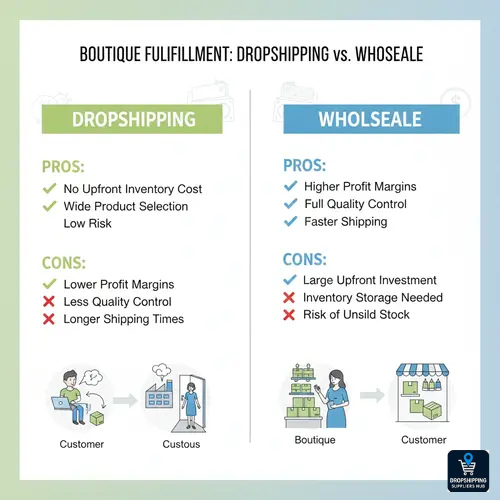
There are three main ways to sell boutique products online:
1. Dropshipping
You sell products without holding inventory; the supplier ships directly to your customer. This is ideal for beginners.
💡 Dropshipping suppliers can be found through directories like dropshippingsuppliershub.com, which lists vetted suppliers for various niches (fashion, kids, apparel, accessories) to help you start fast.
2. Wholesale + Inventory
You buy products in bulk (typically at a discount) and store them until sold. Pros: higher margins Cons: requires upfront investment and storage
3. Hybrid
Use dropshipping to test products, then buy winners in bulk via wholesale. This is one of the best ways to scale profitably.
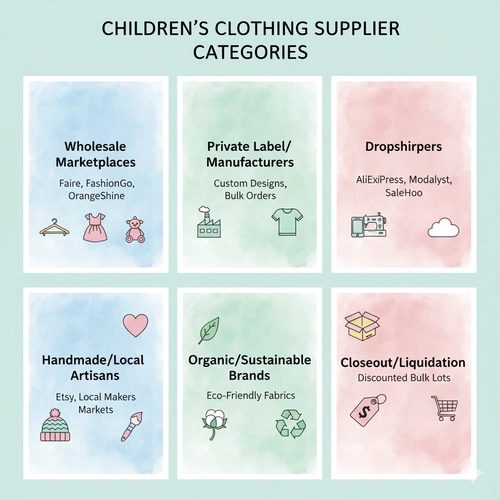
Step 3: Find Reliable Suppliers
One of the most critical steps is sourcing dependable suppliers who offer products that match parents’ tastes and safety standards, especially for kids.
What to Look for in Suppliers
✔ Product quality ✔ Fast shipping times ✔ No hidden fees ✔ Digital product catalogs ✔ Dropshipping support or wholesale pricing
Many beginner entrepreneurs struggle to find trustworthy suppliers. That’s where resources like dropshippingSuppliersHub.com come in handy — they compile lists of suppliers for apparel, toys, accessories, and more.
📌 Important: Always vet suppliers before partnering — slow delivery, poor packaging, or low quality can hurt your boutique’s reputation.
Top Supplier Categories for Children’s Boutiques
Category
Best For
Baby & newborn outfits
New parents, gift buyers
Girls & boys fashion
Everyday wear
Accessories (hats, bows)
Add-on sales
Seasonal outfits
Holiday promotions
Personalized products
Higher margins
Step 4: Register Your Business & Legal Setup
Once you know your niche and supplier model, it’s time to make it official.
Legal Checklist
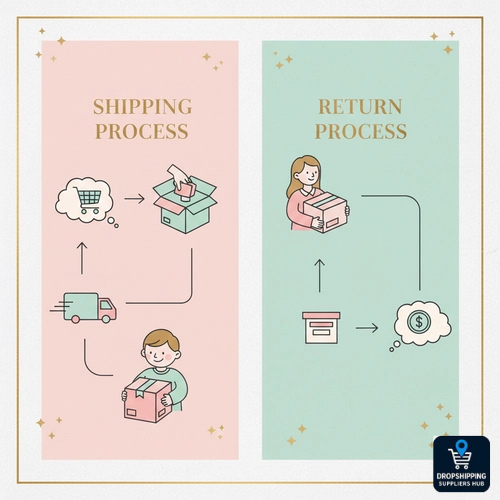
✔ Register your business (sole proprietorship or company) ✔ Get a tax ID if required ✔ Open a business bank account ✔ Legal pages for your website ✔ Terms, privacy policy, and shipping/returns policy
Why this matters: Legal compliance builds trust and protects you from disputes and fines. It also helps you work with certain wholesalers who require a business license.
Step 5: Build Your Online Store
Your online boutique needs a professional store. Most beginners choose platforms like:
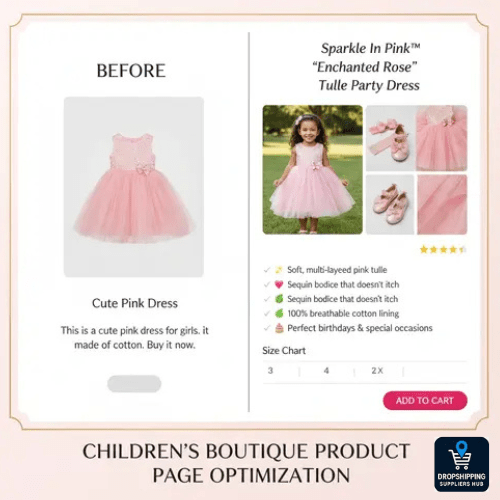
Write descriptions that appeal to emotions (“Perfect for first birthdays!”)
Include age/size charts
Add SEO keywords (e.g., girls boutique dress, baby boutique outfit)
Use bulleted features
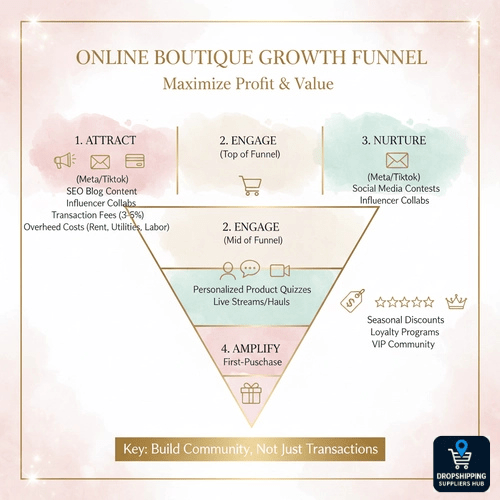
Step 7: Marketing Your Boutique
You’ve built the store — now you need customers.
Social Media (Free & Powerful)
Instagram – Visual product showcases
Pinterest – Great for gift and baby outfit ideas
TikTok – Short videos drive huge traffic
Facebook Groups – Niche communities of parents
Paid Ads
Use:
Facebook Ads
Instagram Ads
TikTok Ads
🎯 Target parents, gift buyers, and family shoppers.
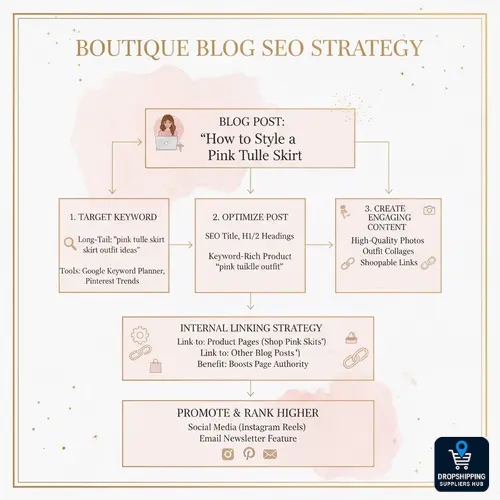
Step 8: SEO & Content Marketing
Ranking in Google helps you get organic traffic.
SEO Tips
✔ Use keywords like:
children’s boutique clothing
baby outfits online
kids fashion boutique ✔ Optimize meta titles & descriptions ✔ Use structured product data (schema) ✔ Blog about topics like “best outfits for baby showers.”
Blogging helps your Google visibility while linking to your product pages.
Pro tip: Many dropshipping suppliers allow branded inserts — ask before partnering.
How to Verify Children’s Clothing Suppliers (Safety & Quality)
✔ Ask for fabric certifications ✔ Order samples ✔ Read independent reviews ✔ Check return handling ✔ Verify warehouse location
🚨 Important: For kids’ products, safety matters more than price.
KPIs Every Children’s Boutique Owner Must Track
Metric
Why It Matters
Conversion rate
Store performance
Average order value
Upsell success
Return rate
Product quality
Customer lifetime value
Long-term growth
Children’s Boutique Market Statistics (2026–2027)
✔ Global kidswear market projected to exceed $300B by 2030 ✔ Over 60% of parents shop online for children’s clothes ✔ Boutique clothing sees higher repeat purchases than fast fashion
Best Product Bundles for Children’s Boutiques
✔ Outfit + headband ✔ Holiday bundle ✔ Gift box set ✔ Seasonal capsule collection
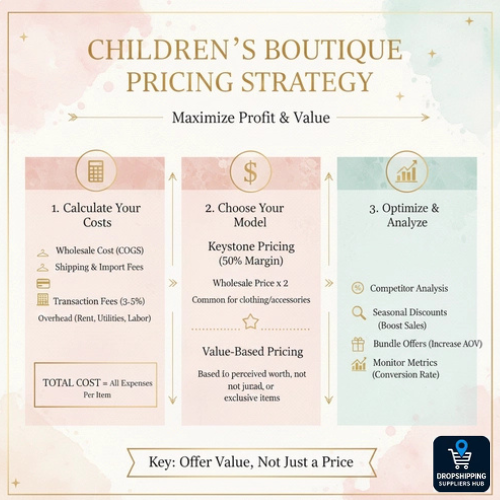
Bundles = higher AOV + better margins.
Compliance Rules for Selling Children’s Products Online
Starting a children’s boutique online in 2026 is achievable with the right plan, tools, and persistence. Focus on targeting niche audiences, choosing trusted suppliers, optimizing your store for search, and consistently marketing your products.
With this step-by-step guide, you have a roadmap to build a sustainable and profitable boutique business — from idea to growth.
FAQ
How much money do I need to start a children’s boutique online?
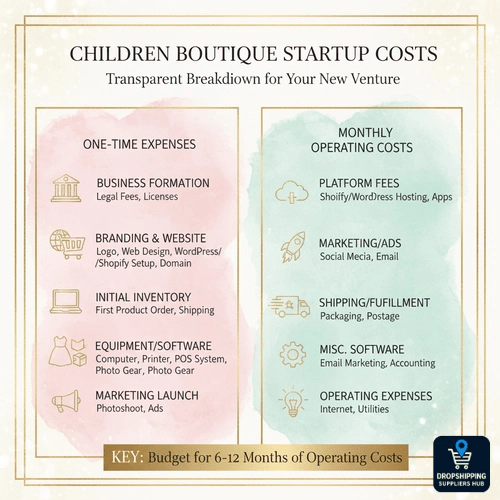
You can start with $150–$300 using dropshipping suppliers.
Is dropshipping kids’ clothing profitable?
Yes, especially with niche targeting and bundles.
Where can I find trusted children’s boutique suppliers?
This post contains affiliate links. If you purchase through these links, we may earn a small commission — at no extra cost to you. This helps support our blog and allows us to keep creating helpful content. Thank you for being so supportive!